Sensor Integration in Mobile Applications Links Real-Time Wagers to Worldwide Resort Reward Systems
Written by Harper Otto · Oct 10, 2026
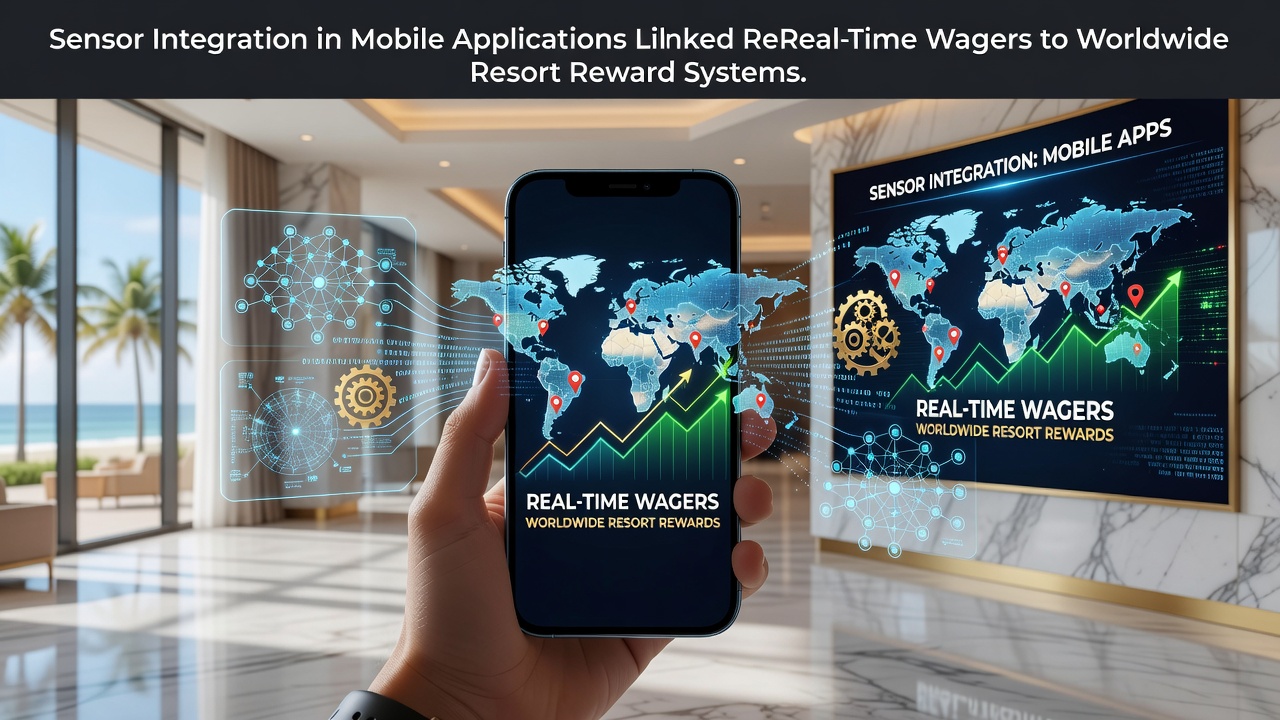
Sensor Integration in Mobile Applications Links Real-Time Wagers to Worldwide Resort Reward Systems
Modern mobile applications now incorporate multiple sensors including GPS receivers, accelerometers, NFC chips, and biometric readers that capture real-time wagering activity and transmit it directly to loyalty databases operated by resort properties across multiple continents. These integrations rely on secure API connections that update player profiles within seconds of each wager placed through the app, allowing reward points and tier status to reflect activity whether the user sits at a physical table or participates from a remote location. Developers build these systems around standardized protocols that maintain data consistency while complying with varying regional requirements for player tracking and responsible gaming limits.
Core Sensor Technologies Powering the Connections
GPS modules provide location verification that triggers automatic enrollment in resort-specific promotions when users enter designated zones around properties in places like Las Vegas, Macau, or Singapore, while accelerometers detect device orientation changes during gameplay that can influence bonus triggers or personalized offers. NFC readers authenticate physical cards or tokens at resort kiosks and sync those interactions back to the mobile wager history, creating a unified record that spans both digital and on-site activity. Biometric sensors such as fingerprint scanners and facial recognition cameras add an additional verification layer that reduces account sharing and supports age confirmation processes required by regulators in different jurisdictions.
Data Synchronization Across Global Reward Networks
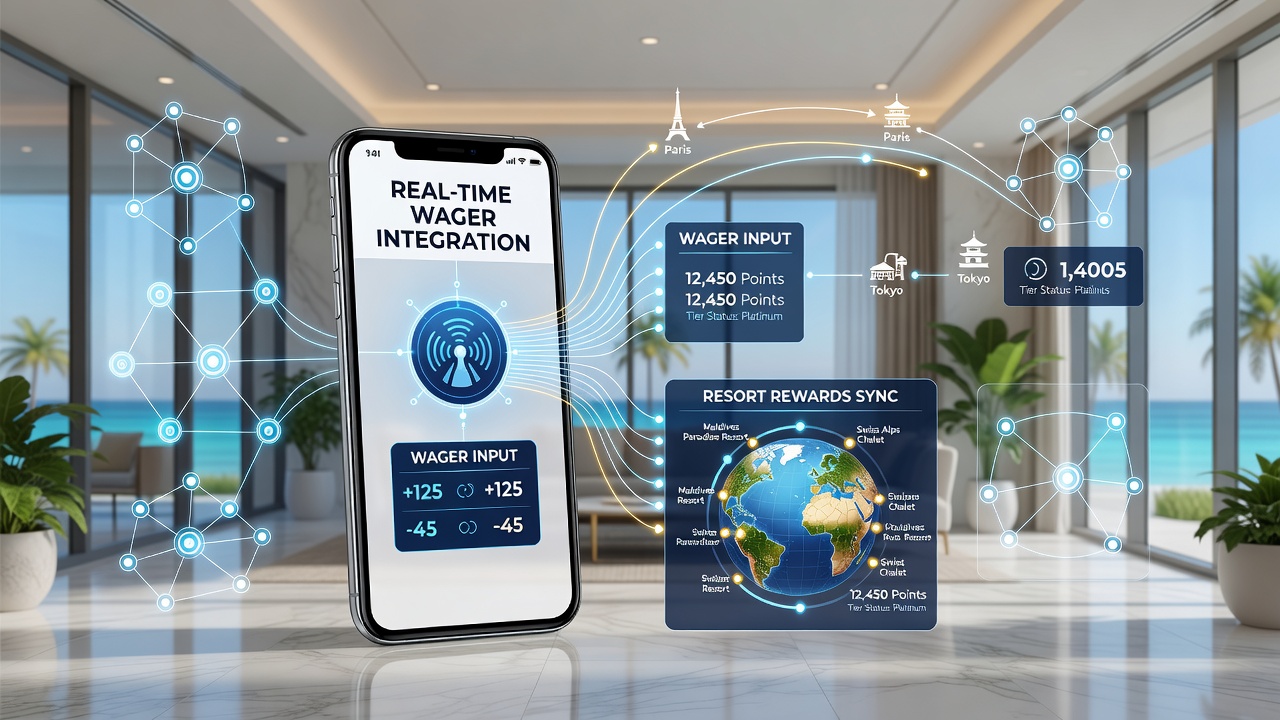
Real-time data pipelines move information between mobile wagering platforms and resort management systems through encrypted channels that handle millions of transactions daily, with latency often measured in under two seconds for point accrual. Algorithms process wager amounts, game types, and session durations to assign tier credits that unlock benefits ranging from complimentary rooms to priority access at high-limit tables in destination properties worldwide. Observers note that these connections have expanded significantly since 2024 as more operators adopt cloud-based loyalty platforms capable of integrating data from dozens of partner resorts simultaneously.
Geofencing technology further refines the process by establishing virtual boundaries around resort campuses so that wagers placed outside those areas receive adjusted reward multipliers or exclude certain promotions tied exclusively to on-property play. In October 2026 several major operators plan to activate enhanced sensor fusion protocols that combine GPS data with indoor positioning systems using Wi-Fi and Bluetooth beacons, enabling more precise tracking inside large resort complexes where satellite signals weaken. This development follows testing phases conducted earlier in the year at select properties in North America and Asia.
Regulatory Frameworks and Compliance Requirements
Government agencies in multiple regions impose strict rules on how sensor-collected data may be used for reward allocation, with requirements for explicit player consent and transparent data retention policies. The Malta Gaming Authority, for instance, mandates regular audits of location verification systems to prevent unauthorized cross-border reward claims, while authorities in New Jersey and Pennsylvania enforce similar standards through their respective gaming control boards. Industry reports from the International Association of Gaming Regulators highlight that operators must maintain audit trails showing exactly which sensor inputs contributed to each point award or tier advancement.
Implementation Examples Across Regions
Resort groups operating in Australia have linked sensor-enabled apps to loyalty programs at properties in Sydney and Melbourne, where accelerometer data from table game sessions feeds into reward calculations that also incorporate wagers placed through the same app at international partner sites. In Canada, facilities in Ontario integrate NFC-based check-ins at casino entrances with mobile wagering records, allowing players to accumulate points across both land-based visits and remote sessions that count toward global resort benefits. European operators have focused on biometric integration to streamline entry to VIP areas while ensuring real-time wager data updates loyalty profiles maintained by partner properties in multiple countries.
Technical challenges include maintaining accuracy when multiple sensors provide conflicting readings, such as GPS drift inside buildings or variable biometric match rates across different lighting conditions. Solutions involve weighted data fusion models that prioritize the most reliable inputs for each scenario, with fallback mechanisms that pause reward accrual until verification stabilizes. Research from academic institutions studying human-computer interaction in gaming environments shows these approaches reduce discrepancies by significant margins compared to single-sensor methods.
Conclusion
Sensor integration continues to expand the capabilities of mobile wagering applications by creating direct, verifiable links to reward systems operated by resorts around the world. As operators refine data pipelines and adopt new positioning technologies in 2026, the systems will support increasingly seamless experiences that treat digital and physical play as parts of a single activity stream. Regulatory bodies and industry groups maintain oversight through audits and standardized reporting, ensuring these connections operate within established legal boundaries across different jurisdictions.